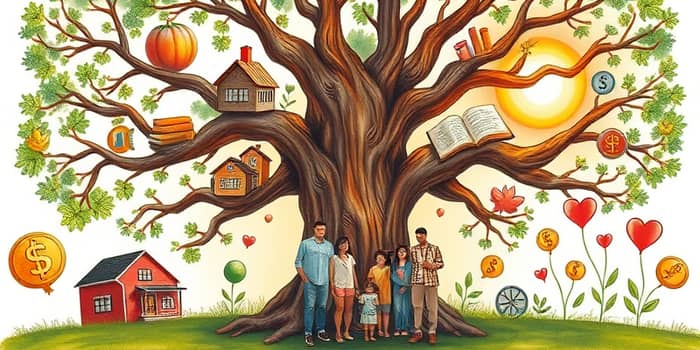
Every parent and grandparent cherishes the hope that their hard work will uplift future generations. transfer of both assets and values ensures not only financial stability but also a guided compass of principles for children and grandchildren to follow.
Generational wealth is more than an inheritance of bank balances or real estate; it encompasses a family’s collective wisdom, ethical standards, and commitment to growth. By weaving financial education with core beliefs, families lay the groundwork for long-term financial security that stands firm through market ups and downs.
At its core, legacy building involves:
Effective wealth creation relies on consistent compounding over multiple decades. For example, an initial investment of $100,000 growing at an average 10% annual return can exceed $1.6 million in 28 years. The magic of compound interest rewards patience and disciplined saving.
Key asset categories to cultivate include:
Allocating 10–15% of gross annual income to long-term investments can dramatically alter your family’s financial trajectory. Over time, real estate appreciation and business equity can become the cornerstones of wealth transfer.
Estate planning is the blueprint that ensures assets flow smoothly to intended heirs. Without diligent planning, families risk probate delays, excessive taxes, and potential disputes.
Essential estate planning tools include:
Insurance policies—life, disability, and long-term care—can act as safeguards, protecting balanced portfolio of diverse assets from unforeseen setbacks. Regularly reviewing estate documents after major life events or changes in tax law keeps your plan relevant and robust.
Legacy is as much about character as it is about cash. Families who discuss ethical entrepreneurship, social responsibility, and the value of hard work create a culture that perseveres.
Consider crafting a clear family wealth mission statement to articulate shared goals, philanthropic priorities, and behavioral expectations. Embarking on charitable projects together reinforces empathy and purpose.
Non-financial pillars of legacy building include:
Grounding your strategy in real numbers helps families measure progress and stay motivated. Below is a concise overview of critical statistics:
Even the most meticulous plan can falter without addressing hazards like inflation, market volatility, and family disagreements. Open communication and periodic plan reviews build resilience through market challenges and guard against unintended consequences.
Key challenges and remedies:
Use this quick-start guide to implement your legacy-building journey:
1. Initiate financial literacy workshops for all ages.
2. Allocate a fixed percentage of income to diversified assets.
3. Draft or update wills, trusts, and beneficiary designations.
4. Develop a formal family mission statement and philanthropic goals.
5. Schedule annual meetings to review performance and refine strategies.
Creating generational wealth is a profound expression of love and foresight. By blending financial savvy with guiding principles, your family can flourish for decades to come. Begin today: hold your first family meeting, open that investment account, or update your estate documents. The seeds you plant now will bloom into a sturdy legacy, empowering your descendants to reach new heights.
References