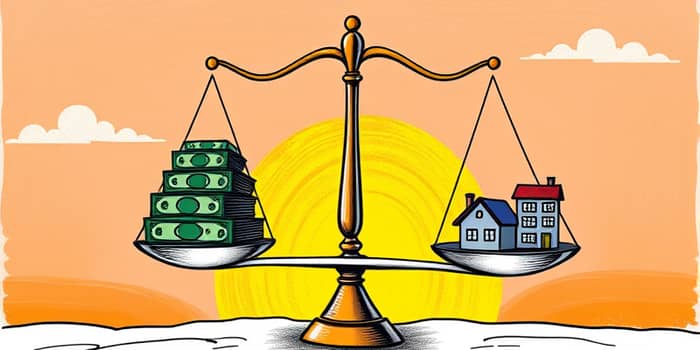
When federal budgets hit the brakes, the ripple effects reach deep into every community. A strategic spending freeze can be a tool for fiscal discipline and transparency, but it also carries the potential for widespread uncertainty and disruption. Striking the right balance—saving more while stressing less—is truly an art.
A federal spending freeze is a temporary or prolonged halt on disbursing grants, loans, and assistance that Congress has approved. Officials may justify it to review priorities, realign spending with new policies, or curb costs.
There are two main types:
In early 2025, the executive branch ordered a sweeping pause on over 2,600 programs, putting roughly $579 billion at risk in fiscal year 2024. From job training and scientific research to infrastructure and health clinics, 56 departments felt the shock.
Key figures reveal the magnitude:
In the short term, critical services grind to a halt. Clinics delay staff hires, school districts postpone equipment purchases, and disaster relief funds sit idle just when they’re needed most.
Longer term, sustained freezes—or subsequent deep cuts—could trigger a recession. Experts warn of job losses, reduced economic output, and an erosion of public trust in government stability.
The freeze spared major entitlements like Social Security and Medicare, but indirect effects hit state-administered programs hard:
Parents in rural towns face uncertain childcare options as grants stall. Community health clinics lay off nurses while local governments scramble to fill budget gaps. Farmers watch equipment repair checks vanish, and rural hospitals struggle to keep their doors open.
These human narratives underscore the tension between fiscal restraint and social stability. For many, the numbers on a federal spreadsheet translate into real stress and hardship.
Courts have repeatedly ruled that the administration cannot unilaterally impound funds that Congress has already appropriated. Yet, uncertainty persists as agencies and states contest which programs remain off-limits.
Critics label the action an overreach, while proponents argue it’s essential for accountability. The ongoing litigation highlights the delicate separation of powers and the practical challenges of governance.
While awaiting clarity from federal courts and agencies, local leaders can take proactive steps to mitigate damage:
Implementing a spending freeze requires more than just halting checks. It demands a thoughtful approach that weighs potential savings against real human costs. Governments must communicate openly, support vulnerable populations, and plan for swift recovery once funds flow again.
By combining strategic planning with empathy, policymakers can navigate budgetary constraints without inflicting undue stress on communities. The art lies in finding that equilibrium—saving more without causing lasting harm, and helping people stress less amid financial uncertainty.
Ultimately, a well-executed freeze can promote long-term fiscal health while maintaining essential services. It’s a delicate dance between restraint and relief—but when done right, it offers a path toward both prudent spending and community resilience.
References