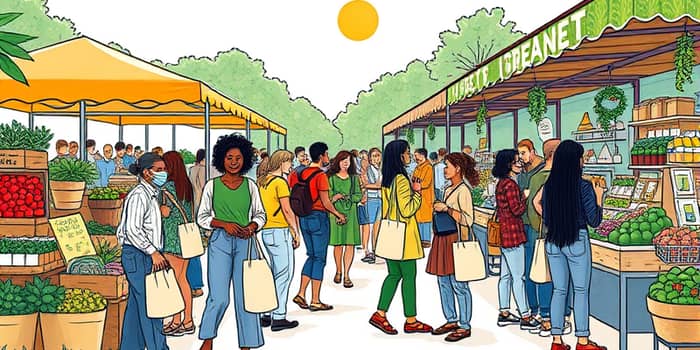
In an age of rapid change and growing awareness, more people are seeking ways to align their wallets with their values. The concept of conscious consumerism is transforming everyday transactions into acts of purpose. By understanding the core principles, the driving forces behind this movement, and practical steps for both consumers and brands, we can each play a part in forging a more ethical and sustainable future.
At its heart, conscious consumerism is about buying decisions based not only on price or convenience but on deeper considerations. It encompasses four main dimensions:
Conscious consumerism is distinct from mere green shopping. It includes ethical, socially responsible and intentional spending that balances environmental, social, and personal priorities. Often, it means choosing experiences over impulse purchases and valuing long-term durability over fleeting trends.
Several macro trends converge to fuel this shift toward mindful spending. Economically, many consumers remain price-sensitive even as inflation cools. Morgan Stanley forecasts U.S. spending growth slowing from 5.7% in 2024 to 3.7% in 2025. Low-income households, in particular, show the slowest growth, with CPG spending up just 3% versus 14% for high-income groups.
Amid these pressures, people are adopting deliberate, strategic approaches to spending. They set strict budgets, use finance apps, and research purchases meticulously. This psychological pivot reflects a desire to regain control from constant ads, contactless payments, and algorithmic prompts that can fuel overspending.
On the environmental front, concern about climate change remains high, though personal-impact worries dipped by 6 points. Consumers see both individuals and corporations as responsible for sustainability: 39% view responsibility as evenly shared, while 31% say brands must lead the way.
Despite cost pressures, about 47% of consumers purchased a product they defined as sustainable in the past month. For many, sustainability aligns with saving money: cutting waste, buying bulk or frozen foods, and repurposing items can both trim budgets and reduce environmental impact.
Brands, too, are responding with innovation:
On the consumer side, individuals are:
Gen Z stands out as the most anti-consumerist generation yet. They cut spending by 13% early in 2025, favor secondhand and experiences, and demand brands deliver authenticity, strong ethics, and digital excellence. Notably, 73% of Gen Z shoppers are willing to pay more for sustainability.
Higher-income consumers often lead in adopting proactive eco-behaviors like composting and home gardening, while lower-income groups, though interested, may opt for cheaper options when budgets are tight. Regional differences also shape adoption rates: some markets excel at recycling and reuse, while others lag behind.
Whether you’re an individual aiming to shop with intent or a brand seeking to align with purpose-driven values, action starts small but grows powerful. Consider these steps:
Brands can deepen trust by:
The Good.Must.Grow Conscious Consumer Spending Index highlights a remarkable rebound of purposeful shopping, even amid volatility. The headline for 2025 reads: “Socially Responsible Spending Holds Firm in U.S. Amidst Onslaught of Uncertainty,” signaling a trend that is durable, not a fad.
As we step forward into an increasingly complex world, every purchase becomes a choice point. By understanding the forces at play, embracing mindful habits, and fostering transparent partnerships, consumers and brands together can ensure that spending truly becomes an expression of values—and a catalyst for positive change. This is not just a movement; it is the foundation of a more equitable, sustainable, and compassionate economy.
References