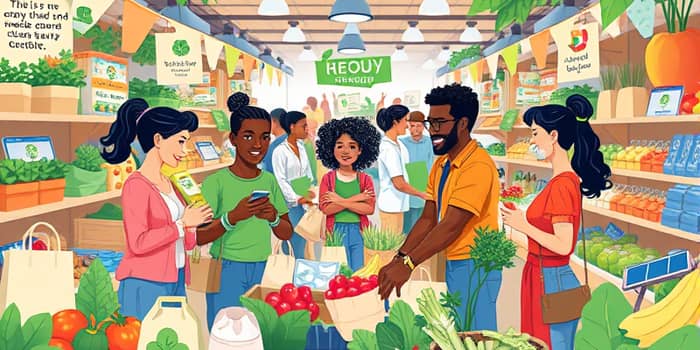
In a world inundated with endless options, a profound shift is underway. More individuals are awakening to the belief that every dollar spent carries significance beyond the transaction. This movement transcends fleeting trends, redefining consumption as a deliberate act of empowerment and stewardship.
The landscape of 2025 marks a decisive break from mindless purchases and mass accessibility. Consumers now embrace intentional, value-driven purchasing, scrutinizing every choice through the lenses of ethics, quality, and long-term impact. No longer swayed by flashy ads, they are resisting impulse buying and curating their lifestyles around values that resonate with personal beliefs.
Economic uncertainty has heightened awareness of long-term financial security. As living costs rise and markets remain volatile, the mantra “spend less, choose wisely” is gaining traction. This transformation is not a fleeting reaction—it is a structural change in consumption that empowers individuals to reclaim control over their finances and values.
Several dominant forces are driving this new paradigm:
Turning awareness into action requires simple, repeatable habits. By integrating these strategies, you can transform every purchase into a statement of purpose:
Despite 80% of consumers expressing climate concerns, less than half pay more for eco-friendly food. This contradiction reflects a need for clearer communication between brands and shoppers. Addressing the gap involves:
1. Highlighting tangible benefits, such as reduced packaging waste or healthier ingredients. 2. Providing transparent pricing breakdowns to justify premium costs. 3. Offering trial sizes or subscription models to lower the barrier to entry.
By making sustainable choices accessible and relatable, brands and communities can convert concern into consistent behavior.
Trust is the currency of conscious consumerism. With skepticism toward automated suggestions on the rise, people seek human-led recommendations and peer insights:
Family and friends remain the most trusted sources, while social media drives discovery but ranks lowest in credibility. By building networks of informed advocates, consumers can navigate choices with confidence.
Modern tools can empower consumers to align spending with values:
- Budgeting Apps with Ethical Tags: Track not only your expenses but also the social and environmental impact of each purchase.
- Barcode Scanners: Instantly retrieve information on sourcing, certifications, and carbon footprint.
- Subscription Alerts: Receive reminders when items need replacement, preventing overconsumption and waste.
As the digital landscape evolves, so do shopping channels. From subscription boxes to neighborhood swap meets, curated platforms and communities redefine ownership and engagement. These models foster belonging and expertise, offering personalized experiences that transcend mass marketing.
Regional trends reveal varied adoption rates: Brazil and China lead in sustainable lifestyles, while Japan lags. Gen Z champions durable goods over fleeting trends, cutting overall spending by 13% but prioritizing brands that align with their values.
Becoming a conscious consumer is more than a trend—it is a powerful declaration of your values. By making mindful choices, supporting ethical brands, and leveraging trusted communities, you can direct the flow of capital toward a more equitable and sustainable world.
Your journey starts with a single purchase. Commit to one intentional swap this week: replace a disposable item with a reusable alternative, choose a product from a local artisan, or invest in a high-quality essential. Each action compounds, shaping markets and inspiring others to follow.
In the end, spending with purpose is not about restriction; it is about magnifying your influence, fostering innovation, and crafting a legacy of positive change. Join the movement and let every dollar you spend echo your highest aspirations.
References