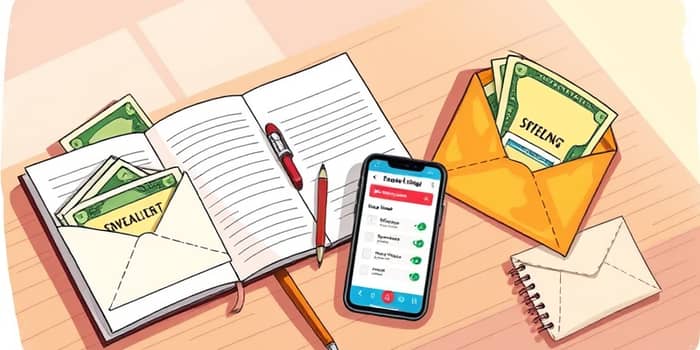
In an age of digital wallets and instant spending, the envelope system offers a clear, tactile path to financial freedom.
The envelope system is a simple hands-on budgeting method where cash is physically separated into envelopes labeled by category.
This approach requires that once an envelope is empty, you cannot spend more in that category until the next budgeting cycle begins. It forces intentional decisions with each purchase.
Long before mobile apps and online banking, households relied on cash to manage daily expenses. The envelope system became a foundational tool for tracking spending visually and maintaining discipline.
Social media platforms have sparked a revival of this method under the name “cash stuffing,” where creators share their colorful binders and budgeting rituals. This trend underscores the system’s enduring appeal and its ability to foster a tangible connection to your money.
Getting started takes just a few intentional steps:
For a monthly take-home pay of $3,500, a practical division might look like this:
These figures can be scaled up or down based on your income and financial goals.
The envelope system offers more than just a way to control spending—it cultivates lasting financial habits and awareness.
No system is perfect. The envelope system has limitations that users should anticipate.
First, it demands full buy-in from everyone handling the money. If family members resist using cash or forget to deduct from the correct envelope, the integrity of the budget falls apart.
Certain expenses, like online subscriptions or big-ticket online purchases, don’t mesh well with cash. Users often have to dip into multiple envelopes or resort back to cards, which can blur the boundaries.
Carrying cash poses its own risks. A misplaced envelope or theft can derail your entire budget, so consider how much you’re comfortable withdrawing at once.
Finally, you might miss out on credit card rewards and fraud protections, trade-offs that should be weighed before adopting an all-cash strategy.
Budgeting apps have embraced the envelope concept, creating virtual pockets where you can allocate funds without handling physical cash.
Tools like YNAB, Monarch Money, and Actual Budget let you assign “digital envelopes,” track spending in real time, and even automate transfers. This time-honored zero-sum budgeting mindset ensures every dollar is assigned a job, combining the best of analog discipline and modern convenience.
Implement these strategies to maximize your chances of thriving with the envelope system:
Research shows people tend to spend 10–15 percent less overall spending when paying with cash versus cards. That reduction stems from the physical act of handing over real money, which feels more “painful” than tapping a plastic card.
Creating a $50 envelope for coffee and a $100 envelope for dining out establishes clear spending limits—and a surprising sense of accomplishment when you leave unspent cash behind.
The envelope system shines for anyone prone to impulse purchases or credit card swipes. It’s a powerful tool for those:
- Wanting to break the cycle of carrying credit card balances
- Seeking a straightforward way to visualize every dollar
- Looking for a tangible method to reinforce budgeting habits
Financial experts like Dave Ramsey champion the envelope system for its simplicity and effectiveness in debt reduction. On social media, “cash stuffing” videos have generated genuine supportive online communities where users share tips, successes, and creative envelope designs.
Whether you choose paper envelopes filled with cash or virtual envelopes managed by an app, the core principle remains the same: every dollar you earn has a purpose. By assigning clear roles to your money, you gain visibility, discipline, and the freedom to make intentional choices.
Give the envelope system a try for one month. Reflect on your spending, celebrate the envelopes you leave partly full, and adjust categories until the method works seamlessly for your lifestyle.
In the end, this timeless budgeting hack can empower you to break free from debt, curb impulse buying, and rediscover the true value of every hard-earned dollar.
References