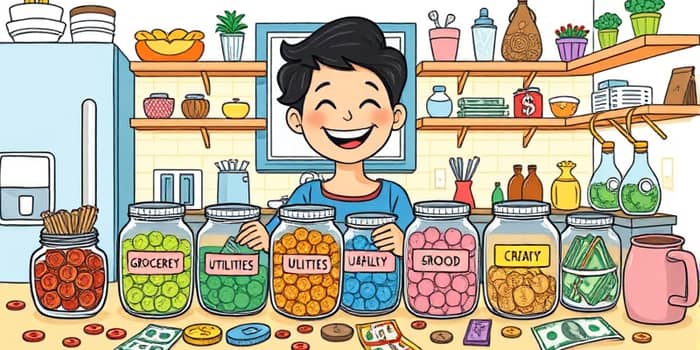
Saving money doesn’t require a radical lifestyle overhaul. By identifying everyday opportunities and adopting simple strategies, anyone can boost their financial cushion. In this guide, we explore national trends, personal behaviors, and practical tips to help you uncover those overlooked dollars.
Americans are saving at historically low levels. In 2025, the U.S. personal saving rate averaged just 4.4% of disposable personal income, down from 4.6% in 2024 and well below the 2010s average of 6.1%. While employed Americans report saving around 23% of their take-home pay on average, the median rate is only 15%, illustrating a significant gap between high and low savers.
Many households struggle to know exactly what they save each month. According to Credible’s 2025 report, 23% of workers aren’t sure how much they save, and 10% don’t save at all. Yet consistency matters: households that managed a 6.9% annual growth in bank balances saw real progress, even amid modest contributions.
By taking small, consistent actions over time, you can outpace national averages and build better habits. Starting today, review your spending patterns and look for quick wins that add up.
A clear budget is the foundation of any savings plan. It turns abstract goals into concrete targets, ensuring every dollar has a purpose. Whether you prefer digital tools or simple pen and paper, choose a method that feels natural and sustainable.
Here are three popular budgeting frameworks to consider:
Set clear short-, medium-, and long-term goals—such as a $500 emergency fund, a vacation, or a down payment. If you miss a target, adjust rather than abandon your plan. Even $50–$100 per month can accumulate into meaningful reserves.
Food costs often represent one of the largest discretionary expenses. By planning meals and shopping strategically, you can enjoy healthy dishes without overspending. Focus on maximizing value without feeling deprived.
Adopt these strategies when you shop and cook:
Keep a running list of essentials, grouped by store layout, to minimize impulse runs down high-margin aisles. By making coffee at home and replicating takeout favorites in bulk, you’ll see noticeable cost reductions over weeks and months.
Variable expenses like utilities, subscriptions, and transportation are ripe for savings. Small adjustments in daily habits can compound into hundreds of dollars saved each year.
Unplug chargers and electronics when idle to prevent phantom power drain. Lower your water heater temperature and run appliances only at full load. These energy-efficient behaviors not only shrink bills but also reduce environmental footprint.
Beyond tactics, shifting your mindset can transform saving from a chore into a habit. Automate contributions to your savings account so you pay yourself first, eliminating reliance on willpower alone. Nearly 38% of Americans automate their savings, making it seamless to build reserves.
Track progress monthly and celebrate milestones—no matter how modest. Recognize that perfection isn’t the goal; consistency is. When unexpected expenses arise, adjust by temporarily reducing discretionary spending rather than raiding your emergency fund.
Here, the gap between young savers and older generations highlights the need for early habit formation. Starting small in your 20s can grow into substantial safety nets by middle age.
Unlocking hidden savings is both an art and a science. It combines data-driven insights about national and individual behaviors with the creativity to personalize strategies. You don’t need drastic cutbacks—just the discipline to implement every dollar has a job rules and refine your approach over time.
Begin today by reviewing one category—whether groceries, utilities, or subscriptions—and apply two changes: plan ahead and track every expense. In a few weeks, add another category and more tweaks. Over months, these methods will build a cushion you can rely on, empowering you to navigate life’s uncertainties with confidence.
Your financial future depends on the habits you adopt now. By committing to continuous improvement—rather than chasing perfection—you’ll discover that unlocking hidden savings is not only possible but also rewarding.
References