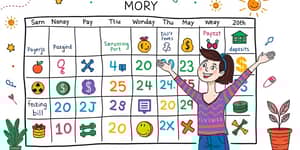
Budgeting isn’t a constraint—it’s empowering—not restrictive. By crafting a clear plan for your money, you gain control over your choices, reduce stress, and set yourself up to achieve meaningful goals.
Think of budgeting as a map that guides you toward your financial goals. Rather than feeling limited by numbers, you’ll discover how each decision brings you closer to the things you value most.
With a clear plan, you’ll replace uncertainty with confidence. As you track income and expenses, you’ll spot trends, uncover hidden opportunities, and build a stronger sense of financial self-awareness and control.
Begin by listing all sources of monthly income after tax: salary, gig work, benefits, or support payments. If your earnings fluctuate, calculate an average over the last few months or the past year divided by twelve to establish a reliable baseline. This smoothes out income spikes and prevents overbudgeting.
Next, detail current debts—balances and interest rates. Understanding how much you owe and where interest is highest prepares you for prioritizing repayments in your budget.
Monitor every dollar you spend for at least one month to reveal your true spending habits. Use bank and credit card statements, receipts, or a budgeting app to build an accurate record.
Recording every expense helps you see hidden spending patterns and areas where small tweaks can free up significant funds. Many apps provide visual reports and alerts, keeping you motivated and on track to celebrate small victories.
Sort costs into fixed and variable categories. Fixed expenses remain constant each month—rent or mortgage, utilities, insurance, and loan payments. Variable expenses, like groceries, entertainment, and gas, shift month to month.
Then, classify them into needs (essentials for daily life) and wants (extras that enhance enjoyment). Separating needs from wants can reveal surprising areas to reallocate funds toward what matters most, like your first home deposit or a dream trip.
Select a framework that aligns with your personality and goals. Popular choices include:
Test each method for a month to see which feels effortless and rewarding. You can also experiment with ratios like 60/20/20 or 60/30/10 to match higher fixed costs or flexible savings goals.
Use your tracked data to set realistic monthly caps for each category. For annual or irregular expenses—car repairs, gifts, holiday costs—divide the yearly total by twelve and save that amount monthly.
Adopt a pay yourself first approach by automating transfers to savings before allocating money to discretionary spending. A starter emergency fund of $500–$1,000 provides a cushion, and over time you can build toward three to six months of expenses.
Attach each savings transfer to a clear goal—be it a vacation fund, a robust emergency cushion, or retirement contributions—to stay motivated by visible progress.
Check your budget at least monthly. Tracking daily or weekly spending helps you catch trends early and maintain accountability. Use simple charts or a calendar to visually track progress—seeing green checkmarks on days you stayed within limits cultivates positive habits.
If a category overshoots, reflect on what happened and adjust your limits or behavior. One tough month isn’t failure—approach it with determination and flexibility, learn from it, and keep moving forward.
Creating your first budget is a journey toward financial empowerment and clarity. Embrace each step as a learning experience and celebrate small wins—hitting a savings milestone or noticing lower monthly spending.
Share your budget with a friend or partner to stay accountable and celebrate milestones together. As your confidence grows, consider exploring investing or advanced planning to maximize your money’s potential.
Your first budget is a powerful tool—once mastered, it paves the way for lifelong financial health, enabling you to live intentionally and pursue your dreams without fear.
Begin today by assessing your finances, tracking one week of expenses, or setting up an automated savings transfer. Your future self will thank you for the clarity and control you’re building right now.
References